Thursday, April 27, 2017

Chemistry Unit 2 Day 4


Students will learn about the mechanisms of chemical bonding and will explain their conclusions in writing using the language of science (octet rule, valence electrons, covalent bonds, ionic bonds), sentence starters, and manipulatives.

Questions:


  1. What is a covalent bond? (book)
  2. What does a covalent bond look like? (book)
  3. What do you think makes a covalent bond an important part of chemistry? (brain)

Biology Unit 2 Day 2

Students will learn about mechanisms of natural selection by gathering and interpreting data and will analyze and explain in writing using the language of science (variation, differential survival, factors that affect survival), graphic organizer and check in partners.


  1. What is natural selection? (book)
  2. What does natural selection look like? (book)
  3. Why do you think that some organisms die while others survive? (brain)

Earth Science Unit 2 Day 2

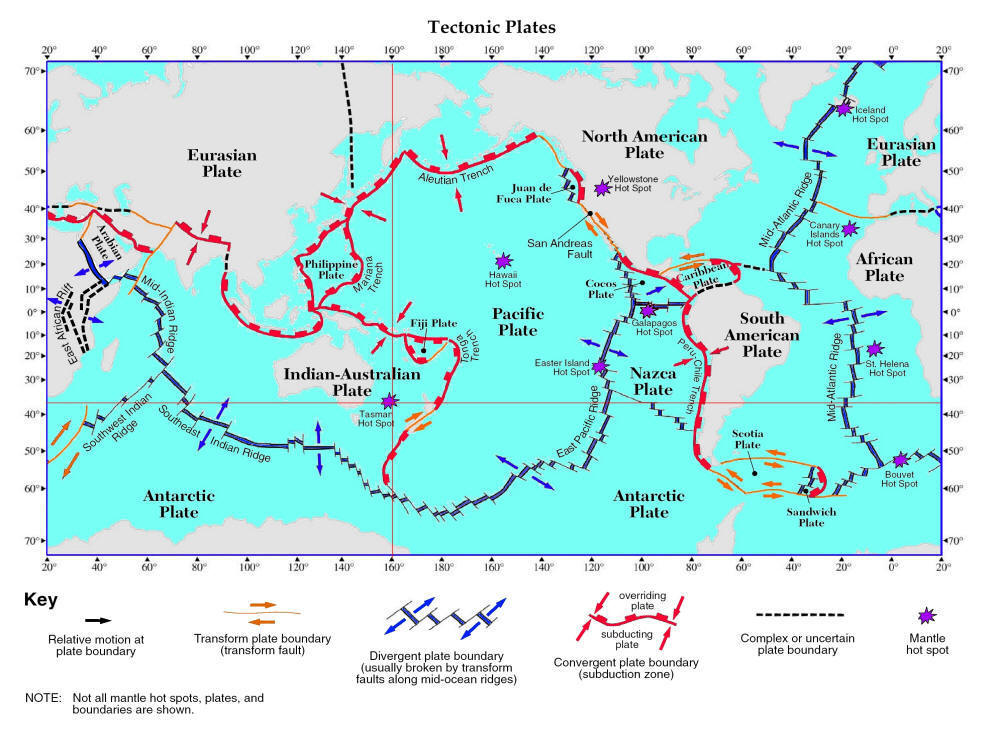
Learning: Students will learn about causes of plate tectonics and will describe and analyze them in writing using the language of science (fault, plate boundary, transform, convergent, divergent), foldable, check up partners, notes.


Questions:


  1. What are tectonic plates? (book or brain)
  2. What do tectonic plates look like? (book)
  3. How does plate tectonics affect Earth's surface? (book)

Wednesday, April 26, 2017

Chemistry Unit 2 Day 3

Students will learn about the mechanisms of chemical bonding and will explain their conclusions in writing using the language of science (octet rule, chemical bonding, valence electrons, elements, atoms), sentence starters, and manipulatives.

Questions:
  1. Why do you think bonds form between atoms? (brain)
  2. Do you think all bonds are the same? Explain your thinking. (brain)
  3. What do chemical bonds look like? (book/brain)

Biology Unit 2 Day 1

Students will learn about mechanisms of natural selection by gathering and interpreting data and will analyze and explain in writing using the language of science (variation, differential survival, factors that affect survival), graphic organizer and check in partners.

Questions:

  1. What does it mean to have variation in a population of organisms? (book or brain)
  2. Do you think variation a good or a bad thing for a population? (brain)
  3. Does every critter in a population get to survive? Why/why not? (brain)

Earth Science Unit 2 Day 1

Learning: Students will learn about causes of plate tectonics and will describe and analyze them in writing using the language of science (fault, plate boundary, transform, convergent, divergent), foldable, check up partners, notes.


Questions:

  1. What is plate tectonics? (brain or book)
  2. What causes plates to move? (brian or book)
  3. What is the effect of plate movement? (book or brain)

Links for Class Today

Tuesday, April 25, 2017

Chemistry Unit 2 Day 2

Students will learn about the role of valence electrons and will explain their conclusions in writing using the language of science (octet rule, chemical bonding, mechanisms of chemical bonding), sentence starters, and manipulatives.

Questions:
  1. What is a valence electron? (book)
  2. What do valence electrons look like? (book brain)
  3. Why do you think valence electrons are the most important particle in an atom? (brain)

Biology Unit 1 Wrap Up

  1. Choose 2 activities from unit 1 that you have completed.
  2. Using these 2 activities, pick up and complete the rubric evaluation sheet. 
  3. There are 3 questions, be sure to answer all the questions.
  4. This will be turned in with your 2 activities for a grade!

Earth Science Unit 1 Wrap-Up Day

Instructions:
  1. Choose 2 activities from unit 1 that you have completed.
  2. Using these 2 activities, pick up and complete the rubric evaluation sheet. 
  3. There are 3 questions, be sure to answer all the questions.
  4. This will be turned in with your 2 activities for a grade!

Friday, April 21, 2017

Biology Unit 1 Day 8 continued

Students will learn about genetic modification by analyzing and interpreting text in writing using the language of science (mutations, genes, factors that create unique individuals, meiosis, crossing over), sentence starters and AVID strategies. 

Questions:


  1. What is the main idea of the article we read "Gene editing is a powerful tool..."? (brain)
  2. What is the authors opinion about gene modification? (brain)
  3. If you could add a graph, chart or diagram to help the reader better understand the article, what would you add. Explain your thinking. (brain)

Earth Science Unit 1 Day 8 continued

Students will learn about layers of the Earth by analyzing and interpreting text in writing using the language of science (properties, structure, composition, density, pressure, factors that affect the surface of Earth), sentence starters, and partners.

Questions:

  1. What is the main idea of the article we read "Digging down deep for earthquake studies"? (brain)
  2. What do you think of the research conducted in this article? (brain)
  3. If you could add a graph, chart or diagram to help the reader better understand the article, what would you add. Explain your thinking. (brain)

Chemistry Unit 2 Day 1

Students will learn about chemical bonding and will describe factors that lead to chemical bonding using a graphic organizer, videos, and the language of science (ionic bonds, covalent bonds, octet rule, valence electrons). 


Questions:

  1. What is the octet rule? (book)
  2. Why do atoms gain or lose electrons? (book or brain)
  3. Why do bonds form? (book or brain)


Links for Class today


Thursday, April 20, 2017

Chemistry Unit 1 Wrap-UP

  1. Choose 2 activities from unit 1 that you have completed.
  2. Using these 2 activities, pick up and complete the 2 rubric evaluation sheets. 

Biology Unit 1 Day 8

Students will learn about genetic modification by analyzing and interpreting text in writing using the language of science (mutations, genes, factors that create unique individuals, meiosis, crossing over), sentence starters and AVID strategies. 


Questions:
  1. List 3 of the most important details you learned from unit 1. (brain)
  2. What sticks with you most from unit 1? (brain)

Earth Science Unit 1 Day 8

Students will learn about layers of the Earth by analyzing and interpreting text in writing using the language of science (properties, structure, composition, density, pressure, factors that affect the surface of Earth), sentence starters, and partners.

Questions:
  1. Make a list of the 3 most important details we learned from unit 1. (brain)
  2. What sticks with you most from unit 1? (brain)

Wednesday, April 19, 2017

Chemistry Unit 1 Day 8

Students will learn about properties of elelments in the periodic table by gathering data and analyzing and interpreting the data in writing using the language of science (reactivity, valence electrons, octet rule, density, melting point), sentence starters, and partners.

Questions:
  1. Which particle (proton, electron, neutron) do you think has the most impact on the properties of atoms? (brain)
  2. What do you think about the periodic table? (brain)
  3. What sticks with you most from Unit 1 learning? (brain)

Tuesday, April 18, 2017

Chemistry Unit 1 Day 7

Students will learn about properties of elelments in the periodic table by gathering data and analyzing and interpreting the data in writing using the language of science (reactivity, valence electrons, octet rule, density, melting point), sentence starters, and partners.

Questions:

  1. What causes some atoms to be more reactive than others? (book or brain)
  2. What does it mean for an atom to be reactive? (book or brain)
  3. What particle (electrons, protons or neutrons) do you think has the most influence over an atom? (book or brain)

Biology Unit 1 Day 7

Students will learn about genetic modification by analyzing and interpreting text in writing using the language of science (mutations, genes, factors that create unique individuals, meiosis, crossing over), sentence starters and AVID strategies. 


Questions:
  1. What is a gene mutation? (book) 
  2. What does a gene mutation look like? (book/brain)
  3. Do you think we should be able to fix gene mutations? Explain your thinking. (brain)


Earth Science Unit 1 Day 7

Students will learn about properties of Earth's core and will analyze and interpret text in writing using the language of science (seismic waves, density, pressure, effects of the layers), sentence starters, critical reading strategies, and partners.

Questions:

  1. What are seismic waves? (book)
  2. What do seismic waves look like? (book/brain)
  3. What do you think is most important about seismic waves? (brain)

Monday, April 17, 2017

Chemistry Unit 1 Day 6

Students will learn about properties and patterns of the periodic table and will analyze and interpret them in writing using the language of science (elements, groups, periods, organized based on their properties, atomic number), and diagrams, sentence starters, and 3-2-1 protocol. 

Questions:

  1. What patterns are in the periodic table. Give 2 examples. (book or brain)
  2. What do patterns in the periodic table tell us? Why do you think they are important? (brain)
  3. How else could you arrange the periodic table? (brain)