Monday, May 1, 2017

Chemistry Unit 2 Day 5

Students will learn about the mechanisms of chemical bonding and will explain their conclusions in writing using the language of science (octet rule, valence electrons, covalent bonds, ionic bonds), sentence starters, and manipulatives.


Questions:
  1. What is the role of valence electrons during chemical bonds? (book)
  2. What happens to valence electrons during an ionic bond? (book)
  3. What happens to valence electrons during a covalent bond? (book)

Biology Unit 2 Day 2 continued

Students will learn about mechanisms of natural selection by gathering and interpreting data and will analyze and explain in writing using the language of science (variation, factors that affect survival, environmental factors, alleles, genes), graphic organizer and check in partners.

Questions:

  1. What is an adaptation? (book)
  2. What does an adaptation look like? (book/brain)
  3. How are adaptations correlated to the environment? (book or brain)

Earth Science Unit 2 Day 3

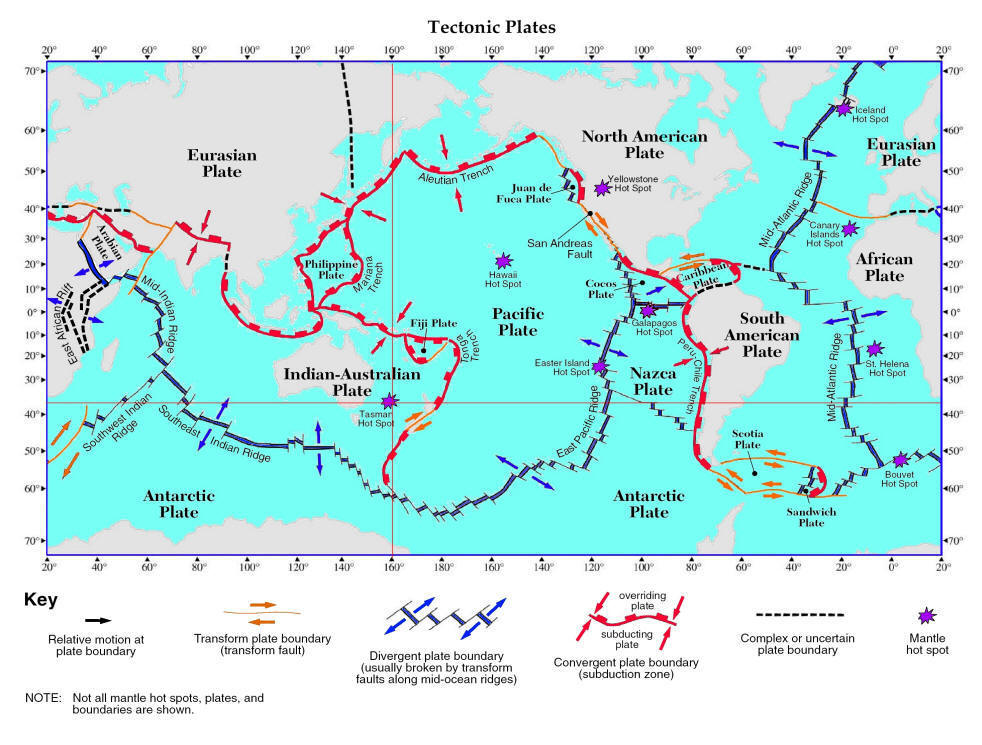
Students will learn about the correlation between plate tectonics and earthquakes/volcanoes and will analyze and interpret data in writing using the language of science (subduction, oceanic crust, continental crust, force, mantle), simulation and sentence starters.

Questions:

  1. Technically or scientifically, what causes an earthquake? (book)
  2. Why do you think some earthquakes are stronger than others? (brain)
  3. Where do most earthquakes happen? (book)

Thursday, April 27, 2017

Chemistry Unit 2 Day 4


Students will learn about the mechanisms of chemical bonding and will explain their conclusions in writing using the language of science (octet rule, valence electrons, covalent bonds, ionic bonds), sentence starters, and manipulatives.

Questions:


  1. What is a covalent bond? (book)
  2. What does a covalent bond look like? (book)
  3. What do you think makes a covalent bond an important part of chemistry? (brain)

Biology Unit 2 Day 2

Students will learn about mechanisms of natural selection by gathering and interpreting data and will analyze and explain in writing using the language of science (variation, differential survival, factors that affect survival), graphic organizer and check in partners.


  1. What is natural selection? (book)
  2. What does natural selection look like? (book)
  3. Why do you think that some organisms die while others survive? (brain)

Earth Science Unit 2 Day 2

Learning: Students will learn about causes of plate tectonics and will describe and analyze them in writing using the language of science (fault, plate boundary, transform, convergent, divergent), foldable, check up partners, notes.


Questions:


  1. What are tectonic plates? (book or brain)
  2. What do tectonic plates look like? (book)
  3. How does plate tectonics affect Earth's surface? (book)

Wednesday, April 26, 2017

Chemistry Unit 2 Day 3

Students will learn about the mechanisms of chemical bonding and will explain their conclusions in writing using the language of science (octet rule, chemical bonding, valence electrons, elements, atoms), sentence starters, and manipulatives.

Questions:
  1. Why do you think bonds form between atoms? (brain)
  2. Do you think all bonds are the same? Explain your thinking. (brain)
  3. What do chemical bonds look like? (book/brain)

Biology Unit 2 Day 1

Students will learn about mechanisms of natural selection by gathering and interpreting data and will analyze and explain in writing using the language of science (variation, differential survival, factors that affect survival), graphic organizer and check in partners.

Questions:

  1. What does it mean to have variation in a population of organisms? (book or brain)
  2. Do you think variation a good or a bad thing for a population? (brain)
  3. Does every critter in a population get to survive? Why/why not? (brain)

Earth Science Unit 2 Day 1

Learning: Students will learn about causes of plate tectonics and will describe and analyze them in writing using the language of science (fault, plate boundary, transform, convergent, divergent), foldable, check up partners, notes.


Questions:

  1. What is plate tectonics? (brain or book)
  2. What causes plates to move? (brian or book)
  3. What is the effect of plate movement? (book or brain)

Links for Class Today

Tuesday, April 25, 2017

Chemistry Unit 2 Day 2

Students will learn about the role of valence electrons and will explain their conclusions in writing using the language of science (octet rule, chemical bonding, mechanisms of chemical bonding), sentence starters, and manipulatives.

Questions:
  1. What is a valence electron? (book)
  2. What do valence electrons look like? (book brain)
  3. Why do you think valence electrons are the most important particle in an atom? (brain)

Biology Unit 1 Wrap Up

  1. Choose 2 activities from unit 1 that you have completed.
  2. Using these 2 activities, pick up and complete the rubric evaluation sheet. 
  3. There are 3 questions, be sure to answer all the questions.
  4. This will be turned in with your 2 activities for a grade!

Earth Science Unit 1 Wrap-Up Day

Instructions:
  1. Choose 2 activities from unit 1 that you have completed.
  2. Using these 2 activities, pick up and complete the rubric evaluation sheet. 
  3. There are 3 questions, be sure to answer all the questions.
  4. This will be turned in with your 2 activities for a grade!

Friday, April 21, 2017

Biology Unit 1 Day 8 continued

Students will learn about genetic modification by analyzing and interpreting text in writing using the language of science (mutations, genes, factors that create unique individuals, meiosis, crossing over), sentence starters and AVID strategies. 

Questions:


  1. What is the main idea of the article we read "Gene editing is a powerful tool..."? (brain)
  2. What is the authors opinion about gene modification? (brain)
  3. If you could add a graph, chart or diagram to help the reader better understand the article, what would you add. Explain your thinking. (brain)

Earth Science Unit 1 Day 8 continued

Students will learn about layers of the Earth by analyzing and interpreting text in writing using the language of science (properties, structure, composition, density, pressure, factors that affect the surface of Earth), sentence starters, and partners.

Questions:

  1. What is the main idea of the article we read "Digging down deep for earthquake studies"? (brain)
  2. What do you think of the research conducted in this article? (brain)
  3. If you could add a graph, chart or diagram to help the reader better understand the article, what would you add. Explain your thinking. (brain)

Chemistry Unit 2 Day 1

Students will learn about chemical bonding and will describe factors that lead to chemical bonding using a graphic organizer, videos, and the language of science (ionic bonds, covalent bonds, octet rule, valence electrons). 


Questions:

  1. What is the octet rule? (book)
  2. Why do atoms gain or lose electrons? (book or brain)
  3. Why do bonds form? (book or brain)


Links for Class today


Thursday, April 20, 2017

Chemistry Unit 1 Wrap-UP

  1. Choose 2 activities from unit 1 that you have completed.
  2. Using these 2 activities, pick up and complete the 2 rubric evaluation sheets. 

Biology Unit 1 Day 8

Students will learn about genetic modification by analyzing and interpreting text in writing using the language of science (mutations, genes, factors that create unique individuals, meiosis, crossing over), sentence starters and AVID strategies. 


Questions:
  1. List 3 of the most important details you learned from unit 1. (brain)
  2. What sticks with you most from unit 1? (brain)

Earth Science Unit 1 Day 8

Students will learn about layers of the Earth by analyzing and interpreting text in writing using the language of science (properties, structure, composition, density, pressure, factors that affect the surface of Earth), sentence starters, and partners.

Questions:
  1. Make a list of the 3 most important details we learned from unit 1. (brain)
  2. What sticks with you most from unit 1? (brain)

Wednesday, April 19, 2017

Chemistry Unit 1 Day 8

Students will learn about properties of elelments in the periodic table by gathering data and analyzing and interpreting the data in writing using the language of science (reactivity, valence electrons, octet rule, density, melting point), sentence starters, and partners.

Questions:
  1. Which particle (proton, electron, neutron) do you think has the most impact on the properties of atoms? (brain)
  2. What do you think about the periodic table? (brain)
  3. What sticks with you most from Unit 1 learning? (brain)

Tuesday, April 18, 2017

Chemistry Unit 1 Day 7

Students will learn about properties of elelments in the periodic table by gathering data and analyzing and interpreting the data in writing using the language of science (reactivity, valence electrons, octet rule, density, melting point), sentence starters, and partners.

Questions:

  1. What causes some atoms to be more reactive than others? (book or brain)
  2. What does it mean for an atom to be reactive? (book or brain)
  3. What particle (electrons, protons or neutrons) do you think has the most influence over an atom? (book or brain)

Biology Unit 1 Day 7

Students will learn about genetic modification by analyzing and interpreting text in writing using the language of science (mutations, genes, factors that create unique individuals, meiosis, crossing over), sentence starters and AVID strategies. 


Questions:
  1. What is a gene mutation? (book) 
  2. What does a gene mutation look like? (book/brain)
  3. Do you think we should be able to fix gene mutations? Explain your thinking. (brain)


Earth Science Unit 1 Day 7

Students will learn about properties of Earth's core and will analyze and interpret text in writing using the language of science (seismic waves, density, pressure, effects of the layers), sentence starters, critical reading strategies, and partners.

Questions:

  1. What are seismic waves? (book)
  2. What do seismic waves look like? (book/brain)
  3. What do you think is most important about seismic waves? (brain)

Monday, April 17, 2017

Chemistry Unit 1 Day 6

Students will learn about properties and patterns of the periodic table and will analyze and interpret them in writing using the language of science (elements, groups, periods, organized based on their properties, atomic number), and diagrams, sentence starters, and 3-2-1 protocol. 

Questions:

  1. What patterns are in the periodic table. Give 2 examples. (book or brain)
  2. What do patterns in the periodic table tell us? Why do you think they are important? (brain)
  3. How else could you arrange the periodic table? (brain)

Biology Unit 1 Day 6

Students will learn about patterns of inheritance by explaining and analyzing punnet squares in writing using the language of science (dominant allele, recessive allele, independent assortment, meiosis, probability), sentence starters, diagrams, virtual lab.


Questions:

  1. What is a dihybrid cross punnett square? (book)
  2. What is a mutation? (book)
  3. What causes mutations? (book)

Earth Science Unit 1 Day 6

Students will learn about plate tectonic theory and will describe, analyze and interpret it in writing using the language of science (process of plate tectonics, oceanic crust, continental crust, mantle, cause and effect of plate tectonics, evidence that supports the theory), diagrams, graphs, and sentence stems.

Questions:

  1. What causes plate tectonics? (book or brain)
  2. What does the theory of plate tectonics show? (book or brain)
  3. What is the impact of plate tectonics? (book)

Thursday, April 13, 2017

Chemisty Unit 1 Day 5

Students will learn about properties and patterns of the periodic table and will analyze and interpret them in writing using the language of science (elements, groups, periods, organized based on their properties, atomic number), and diagrams, sentence starters, and 3-2-1 protocol. 


Questions:

  1. What is ionization energy? (book)
  2. What is electronegativity? (book)
  3. What is atomic radius? (book)

Biology Unit 1 Day 5

Students will learn about patterns of inheritance by explaining and analyzing punnet squares in writing using the language of science (dominant allele, recessive allele, independent assortment, meiosis, probability), sentence starters, diagrams, virtual lab.

Questions:
  1. What is a punnett square? (book)
  2. What does a punnett square look like? (book)
  3. When might a punnet square be helpful? Not helpful? (brain)

Earth Science Unit 1 Day 5

Students will learn about plate tectonic theory and will describe, analyze and interpret it in writing using the language of science (process of plate tectonics, oceanic crust, continental crust, mantle, cause and effect of plate tectonics, evidence that supports the theory), diagrams, graphs, and sentence stems.

Questions:

  1. What is the theory of plate tectonics? (book or brain)
  2. What does the theory of plate tectonics look like? (book or brain)
  3. What is the impact or effect of plate tectonics? (book or brain)

Wednesday, April 12, 2017

Chemsitry Unit 1 Day 4 (continued)

Students will learn about properties and patterns of the periodic table and will analyze and interpret them in writing using the language of science (elements, groups, periods, organized based on their properties, atomic number), and diagrams, sentence starters, and 3-2-1 protocol. 

Questions:
  1. What patterns do you notice in the periodic table? (brain)
  2. If you had to describe the periodic table to a friend, what would you tell them? (brain)
  3. What do the numbers on the periodic table represent? (book or brain)

Biology Unit 1 Day 4 (continued)

Students will learn about the inheritance of traits and will describe and analyze inheritance in writing using the language of science (meiosis, factors that create unique individuals, independent assortment, crossing over, allele, sexual reproduction) and graphs, notes, and sentence starters.

Questions:
  1. How does independent assortment make unique, diverse individuals? (book/brain)
  2. How does crossing over make unique, diverse individuals? (book/brain)
  3. How does sexual reproduction make unique, diverse individuals? (book/brain)

Earth Science Unit 1 Day 4 (continued)

Students will learn about properties and patterns of Earth's layers by analyzing and interpreting data/evidence in writing using the language of science (density, pressure, temperature, elements that compose each layer, factors that affect the layers), sentence starters, and partners.

Questions:

  1. Which layer(s) of the Earth do you think creates mountains? Volcanoes? (book)
  2. What impact does the hot plastic mantle have on the Earth? (book/brain)
  3. What impact does the liquid outer core have on Earth? (book/brain)

Monday, April 10, 2017

Chemistry Unit 1 Day 4

Students will learn about properties and patterns of the periodic table and will analyze and interpret them in writing using the language of science (elements, groups, periods, organized based on their properties, atomic number), and diagrams, sentence starters, and 3-2-1 protocol. 

Questions:

  1. What are groups on the periodic table? (book)
  2. What are families on the periodic table? (book)
  3. What are periods on the periodic table? (book)

Periodic Table Expectations For class today

Colors: 10 different families with a key.

Labels:
  • reactivity
  • valence electrons
  • atomic radius

Helpful Resources to use:

Biology Unit 1 Day 4

Students will learn about the inheritance of traits and will describe and analyze inheritance in writing using the language of science (meiosis, factors that create unique individuals, independent assortment, crossing over, allele) and graphs, notes, and sentence starters.

Questions:
  1. How do you inherit your traits? (book or brain)
  2. What are some reasons why you look differently that other people. Try to think of at least 3 reasons. (brain)
  3. What is an allele? (book)

Earth Science Unit 1 Day 4

Students will learn about properties and patterns of Earth's layers by analyzing and interpreting data/evidence in writing using the language of science (density, pressure, temperature, elements that compose each layer, factors that affect the layers), sentence starters, and partners.

Questions:

  1. What are tectonic plates? (book)
  2. What do tectonic plates look like? (book/brain)
  3. List 3 properties of tectonic plates. (book)

Thursday, April 6, 2017

Chemistry Unit 1 Day 3

Students will learn about properties of atoms and the periodic table by analyzing and interpreting data in writing using the language of science (protons, electrons, neutrons, nucleus, factors that create unstable atoms, orbitals), sentence starters, simulation.

Questions:

  1. What does an atom look like? (book/brain)
  2. What particle in an atom weighs the most? (book)
  3. What happens to an atom if you remove an electron? (book)

Biology Unit 1 Day 3

Students will learn about the process of meiosis and will describe and analyze the phases using the language of science (phases, crossing over, gametes, independent assortment, role in creating a variation of traits in offspring), models and diagrams, and sentence starters.

Questions:

  1. What is meiosis? (book or brain)
  2. What does meiosis look like? (book/brain)
  3. Which phase of meiosis do you think is most important? Explain your thinking. (brain)

Earth Science Unit 1 Day 3

Students will learn about properties and patterns of Earth's layers by analyzing and interpreting data/evidence in writing using the language of science (density, pressure, temperature, elements that compose each layer, factors that affect the layers), sentence starters, and partners.

Questions:

  1. What is density? (book or brain)
  2. What layers of the earth are most dense? (book or brain)
  3. What layer of the Earth do you think has the most impact on life on Earth? Explain your thinking. (brain)

Wednesday, April 5, 2017

Chemistry Unit 1 Day 2

Students will learn about patterns and properties of atoms and the periodic table by analyzing and interpreting text in writing using the language of science (elements, protons, electrons, nucleus, valence electrons), avid strategies, and partners.

Questions:

  1. What makes elements different from each other? (book/brain)
  2. What do protons tell us about atoms? (book)
  3. What do you think is the most important particle in an atom--proton, electron, or neutron? (brain)

Biology Unit 1 Day 2

Students will learn about the process of meiosis and will describe and analyze the phases using the language of science (phases, crossing over, gametes, independent assortment, role in creating a variation of traits in offspring), models and diagrams, and sentence starters.

Questions:

  1. What does DNA have to do with your traits? (book/brain)
  2. How do you get the DNA you have? (brain)
  3. What are chromosomes? (book)

Earth Science Unit 1 Day 2

Students will learn about the characteristics of Earth's layers and will describe and analyze them in writing using the language of science (properties, density, elements, solid, liquid, factors that effect the Earth's surface), foldable, diagrams, and question stems.

Questions:


  1. What are 2 properties of the inner core? (book)
  2. How is the mantle divided? (book)
  3. What's the difference between oceanic crust and continental crust? (book)

Links and Info for Class Today

Details to Research for Layers of the Earth:
  • Depth of the layer
  • Thickness of the layer
  • Composition of the Layer (chemical elements)
  • Temperature of the Layer


Web Resources to Use for Class Today:

The Earth's Four Layers
Earth's Structure
The Earth Inside

Tuesday, April 4, 2017

Chemistry Unit 1 Day 1

Students will learn about patterns and properties of atoms and the periodic table by analyzing and interpreting text in writing using the language of science (elements, protons, electrons, nucleus, valence electrons), avid strategies, and partners.

Questions:


  1. Write 2 goals for yourself for quarter 4 using the following sentence starters:
  • In quarter 4 I will...
  • by (doing)....
  • I will know I have achieved this goal when...
2. What activities, attitudes, or strategies empower you most to learn? Explain.

3. What do you know about atoms and the periodic table? (brain)

Biology Unit 1 Day 1

Students will learn about the structure of DNA and will describe and analyze it in writing using the language of science (code, nuleic acids, patterns, random order correlates to unique traits), diagram, partners.

Questions:

  1. Write 2 goals for yourself for quarter 4 using the following sentence starters:
  • In quarter 4 I will...
  • by (doing)....
  • I will know I have achieved this goal when...
2. What activities, attitudes, or strategies empower you most to learn? Explain.
3. What do you know about the DNA? (structure, function)?

Earth Science Unit 1 Day 1

Students will learn about the characteristics of Earth's layers and will describe and analyze them in writing using the language of science (properties, density, elements, solid, liquid), foldable, diagrams, and question stems.

Questions:

  1. Write 2 goals for yourself for quarter 4 using the following sentence starters:
  • In quarter 4 I will...
  • by (doing)....
  • I will know I have achieved this goal when...
2. What activities, attitudes, or strategies empower you most to learn? Explain.


Details to Research for Layers of the Earth:

  • Depth of the layer
  • Thickness of the layer
  • Composition of the Layer (chemical elements)
  • Temperature of the Layer

Web Resources to Use for Class Today:

The Earth's Four Layers
Earth's Structure
The Earth Inside

Tuesday, March 21, 2017

Human An and Phys Unit 3 Day 8


Questions:

  1. How do scientists study the brain? (book or brain)
  2. What factors impact the structure of the brain? (book or brain)
  3. What are the effects of changes to the structure of the brain? (book or brain)

Biology Unit 3 Day 8


Questions:

  1. What is the most difficult part of designing your own lab? (brain)
  2. Why does light intensity affect the rate of photosynthesis?
  3. What would you do differently if you were to do this lab again? (brain)

Earth Science Unit 3 Day 7

Students will learn about factors that affect climate change and the impacts of climate change by analyzing and interpreting data in writing using the language of science (greenhouse effect, mechanisms of the greenhouse effect, excess carbon dioxide, solar radiation), sentence starters and diagrams.
Questions:

  1. What evidence do we have do support climate change? (book or brain)
  2. What did the National Oceanic and Atmospheric Association say about carbon dioxide levels? See this link
  3. What are the effects of climate change? Try to think of at least 3. (book or brain)

Monday, March 20, 2017

Human An and Phys Unit 3 Day 7

Students will learn about factors that impact brain function by analyzing and interpreting text in writing using the language of science (neurons, neurotransmitters, dendrites, structures), sentence starters, and text/avid strategies.

Questions:

  1. How does the brain "grow"? (book)
  2. What brain structures are most essential for life? (book)
  3. To what extent do you think you can  control the growth of your own brain? (brain)

Biology Unit 3 Day 8


Students will learn factors that impact photosynthesis by analyzing and interpreting data in writing using the language of science (patterns, trends, mechanisms of photosynthesis, energy molecules, structures), diagrams/graphs, and sentence starters.


Questions:

  1. How will you collect data in your elodea lab? Use the following video link to help you.
  2. What sort of errors in your lab could lead to unreliable data? Try to think of at least 2. (brain)
  3. How could you prevent the errors you described above? (brain)

Earth Science Unit 3 Day 6

Students will learn about factors that affect climate change and the impacts of climate change by analyzing and interpreting data in writing using the language of science (greenhouse effect, mechanisms of the greenhouse effect, excess carbon dioxide, solar radiation), sentence starters and diagrams.

Questions:

  1. What is the greenhouse effect? (book)
  2. What does carbon dioxide have to do with the greenhouse effect? (book)
  3. What causes excess carbon dioxide in the atmosphere? (book)

Thursday, March 16, 2017

Human An and Phys Unit 3 Day 6


Questions:

  1. What structures control the most functions of the body? (book/brain)
  2. What are action potentials? (book)
  3. What do action potentials look like? (book/brain)

Biology Unit 3 Day 7

Students will learn factors that impact photosynthesis by analyzing and interpreting data in writing using the language of science (patterns, trends, mechanisms of photosynthesis, energy molecules, structures), diagrams/graphs, and sentence starters.


Questions: 
  1. What other factors could you use test the rate of photosynthesis? (brain)
  2. Describe/draw how you would test the intensity of light? (brain)
  3. What variables would you need to control in order to get the most accurate, reliable data in your experiment in number 2. 

Earth Science Unit 3 Day 5

Students will learn about climate by analyzing and interpreting text in writing in using the language of science (patterns, trends, causes and effects of climate change, factors that impact climate, mechanisms of climate), data tables/graphs, sentence starters.


Questions:

  1. What is climate change? (book/brain)
  2. What does climate change look like? (book/brain)
  3. What causes climate change? (book)

Wednesday, March 15, 2017

Human An and Phys Unit 3 Day 5

Students will learn about the structures and function of the brain by analyzing and interpreting data using the language of science (dendrites, electro-chemical signals, neurotransmitter, characteristics of brain structures), sentence starters, diagrams.


Questions:

  1. What is a neurotransmitter? (book)
  2. What is the function of a neurotransmitter?
  3. What do you think is the most important structure of the brain? Explain. (brain)


Biology Unit 3 Day 6

Students will learn factors that impact photosynthesis by analyzing and interpreting data in writing using the language of science (patterns, trends, mechanisms of photosynthesis, energy molecules, structures), diagrams/graphs, and sentence starters.


Questions:


  1. What effect does changing the carbon dioxide have on photosynthesis? (book or brain)
  2. Summarize your data from lab yesterday. (brain)
  3. What other variables could you test for photosynthesis? (brain)

Earth Science Unit 3 Day 4


Students will learn about climate by analyzing and interpreting data in writing in using the language of science (patterns, trends, latitude, altitude, heat capacity, geographic features, weather patterns, factors that impact climate, mechanisms of climate), data tables/graphs, sentence starters.

Questions:


  1. How does the ocean impact climate (besides heat capacity)? Use this link to help you. 
  2. What effect does heat capacity have on climate? (book/brain)
  3. What factor impacts climate the most? Explain. (brain)

Tuesday, March 14, 2017

Human An and Phys Unit 3 Day 4

Students will learn about the structures and function of the brain by analyzing and interpreting data using the language of science (dendrites, electro-chemical signals, characteristics of brain structures), sentence starters, diagrams.

Questions:

  1. What is a dendrite? (book)
  2. What does a dendrite look like? (book/brain)
  3. What is the function of a dendrite? (book)

Biology Unit 3 Day 5

Students will learn factors that impact photosynthesis by analyzing and interpreting data in writing using the language of science (patterns, trends, mechanisms of photosynthesis, energy molecules, structures), diagrams/graphs, and sentence starters.


Questions:

  1. Watch the following video about our lab today: https://www.youtube.com/watch?v=ZnY9_wMZZWI
  2. Record 4 procedures you will follow in order to complete the lab.

Earth Science Unit 3 Day 3

Students will learn about climate by analyzing and interpreting data in writing in using the language of science (patterns, trends, latitude, altitude, heat capacity, factors that impact climate, mechanisms of climate), data tables/graphs, sentence starters.


Questions:

  1. What do geographic features have to do with climate? (book/brain)
  2.  Draw an example of how geographic features affect climate. (book/brain)
  3. Give an example of a weather pattern. (book)


Monday, March 13, 2017

Human An and Phys Unit 3 Day 3

Students will learn about structures and functions of the brain and will describe them in writing using the language of science (lobes, tissue, neurons, correlation between structure and function), diagrams, sentence starters. 

Questions:

Describe the structure and function of 4 parts of the brain you haven't yet studied using this link (click on 3D brain). 

Biology Unit 3 Day 4

Students will learn about factors that affect photosynthesis by analyzing and interpreting data in writing using the language of science (process of making energy, mechanisms of photosynthesis, cycles, structures, molecules, carbon dioxide), sentence starters, simulations and graphs.

Questions:


  1. What structures are involved with photosynthesis? (book)
  2. What molecules are most important in photosynthesis? (book/brain)
  3. How is carbon dioxide used in photosynthesis? (use this link!)